

In Ireland, winter is the toughest season for any septic system. Cold weather, heavy rainfall, and saturated ground put extreme pressure on septic tanks.
If a tank is already under strain, winter is when problems surface fast.
This guide clearly explains why servicing before and during winter is more important than at any other time.
The ‘Risk Most Septic Systems Face in Ireland’s Winter

Winter in Ireland creates a perfect storm for septic system stress. Unlike mains sewer connections, a septic system depends on natural processes that are heavily affected by weather and soil conditions.
During the winter months, several things happen at once:
- Rainfall increases and ground becomes waterlogged
- Soil drainage slows or stops completely
- Cold temperatures affect bacterial activity inside the tank
- Household water use often rises during holidays
A septic system that copes fine in summer may struggle badly in winter. Sludge levels that were “just acceptable” become risky. Liquid that normally drains away has nowhere to go. This is why septic tank service becomes critical before winter begins, not after problems appear.
What Changes Inside a Septic Tank During Winters?

Inside every septic tank, bacteria break down solid waste as part of wastewater treatment. These bacteria are living organisms, and they react directly to temperature changes.
In winter:
- Cold weather slows bacterial digestion
- Solids break down more slowly
- Sludge and scum build up faster
- The tank holds waste for longer periods
This increases the likelihood that the tank will reach capacity sooner than expected. When a septic tank is not emptied at the right time, waste has nowhere to settle properly, increasing the risk of blockages and overflow.
Cold-weather septic tank problems rarely appear overnight. They build quietly and surface when the system is under pressure.
The Impact of Heavy Rain and Saturated Ground in Ireland
Heavy rainfall is one of the biggest threats to septic systems in Ireland. During winter, the ground often becomes fully saturated for weeks or even months.
When this happens:
- Effluent cannot drain properly into the soil
- The percolation area struggles to absorb liquid
- Groundwater levels rise closer to the tank outlet
- Tanks can become hydraulically overloaded
This doesn’t mean rain enters the tank, but it does mean waste cannot leave the system efficiently. Septic system stress in winter is usually caused by this imbalance between incoming wastewater and outgoing treated effluent.
If a tank is already full of sludge, winter rainfall pushes the system beyond its limits.
Early Warning Signs That Should Never Be Ignored Before Winter

Many septic tank failures give warning signs well before a serious breakdown. Ignoring these signs before winter often leads to emergencies later.
Common early indicators include:
- Slow-draining sinks, showers, or toilets
- Gurgling sounds from pipes
- Unpleasant odours near the tank or drains
- Wet or soft ground near the percolation area
- Toilets are backing up after heavy rainfall
These symptoms suggest the system is struggling. Winter only magnifies these issues, making early septic tank maintenance far more effective than reactive repairs.
Why is Servicing Before Winter More Effective Than During Winter?
Preventive septic tank servicing before winter is always safer, easier, and less stressful than dealing with problems during cold months.
Servicing before winter allows:
- Easier access before the ground softens
- Accurate inspection of tank condition
- Sludge removal before bacterial slowdown
- Reduced risk of emergency call-outs
During winter, poor weather can delay work, restrict access, and increase costs. Septic tank cleaning done ahead of winter protects the system when conditions become unfavourable.
This is why seasonal septic tank maintenance is strongly advised rather than waiting for visible failure.
What Proper Septic Tank Servicing Actually Includes?
Many homeowners misunderstand what septic tank service really involves. It is not just about emptying waste.
A proper service typically includes:
- Measuring sludge and scum levels
- Emptying the septic tank safely
- Checking the inlet and outlet pipes
- Inspecting for signs of structural damage
- Identifying early drainage or percolation issues
When a septic tank is emptied correctly, it restores capacity and reduces strain during the winter months. This is essential for year-round septic tank care, especially in Ireland’s climate.
The Cost Difference Between Preventive Servicing and Winter Emergency Call-Outs
One of the biggest concerns homeowners have is cost. However, winter emergency work almost always costs more than planned servicing.
Preventive servicing helps avoid:
- Emergency response fee
- Additional labour costs in poor weather
- Damage to lawns, driveways, or pipes
- Secondary repairs caused by overflow
A septic tank that is maintained based on years, depending on household size and usage, is far cheaper to manage than one left until it fails.
Special Considerations for Rural Homes and Older Septic Systems
Rural homes in Ireland face higher septic risks, particularly older systems installed decades ago.
These systems often have:
- Smaller tank capacity
- Outdated designs
- Limited percolation efficiency
- Poor-drainage soils
Older septic systems need closer monitoring and more regular septic tank maintenance. Winter exposes weaknesses quickly, especially where systems were designed for lower occupancy or different soil conditions.
When Septic Tank Issues Cannot Wait Until Spring?
Some homeowners delay action, hoping problems will “hold out” until better weather. In many cases, this leads to worse outcomes.
Immediate attention is required if:
- Sewage backs up inside the house
- Strong odours persist indoors or outdoors
- Toilets or sinks stop draining altogether
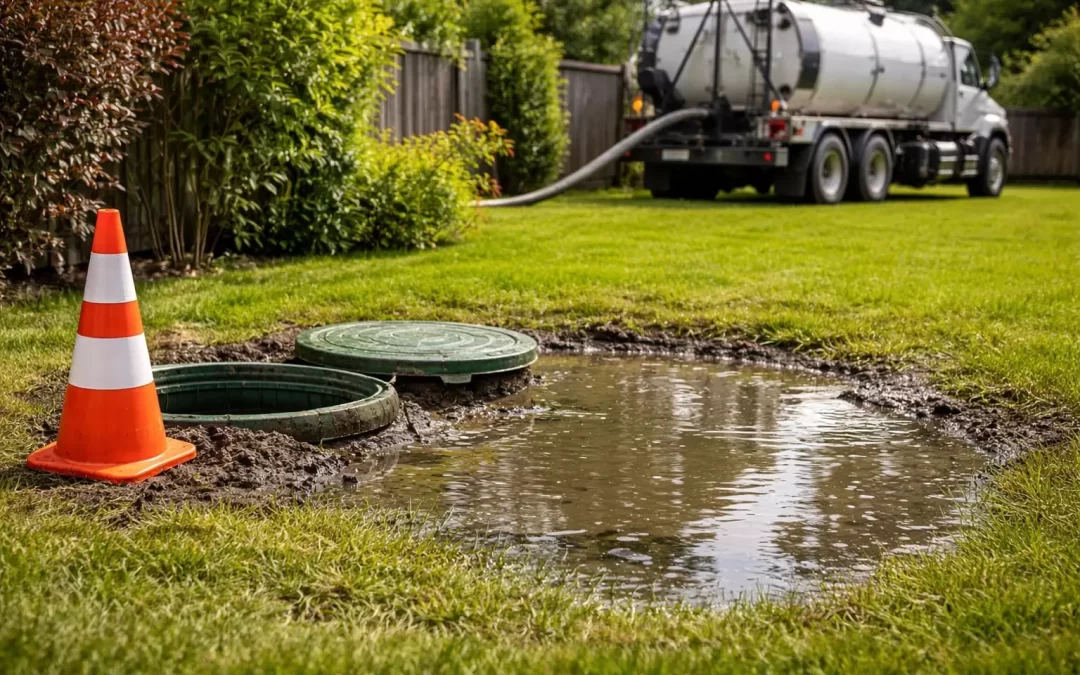
- Wastewater surfaces near the tank
These are signs of system failure, not minor issues. Winter septic system maintenance becomes urgent when health and safety are at risk.
Preparing Your Septic System for Winter: What Homeowners Should Know
Preparing a septic system for winter is about awareness, not DIY intervention.
Homeowners should understand:
- Increased winter water use puts added strain on tanks
- Cold weather slows waste breakdown
- Heavy rainfall affects drainage performance
- Preventive septic tank servicing reduces winter risk
Knowing when a septic tank should be emptied and serviced is one of the most important steps in protecting a property during winter.
Which is the Best Septic Tank Service Provider in Ireland?
Drain Away offers the best septic tank services in Ireland, covering septic tank installation, septic tank maintenance, and septic tank servicing across counties including Offaly, Dublin, Galway, Kildare, Laois, Limerick, Westmeath, and Kilkenny.
Our long-standing experience with Irish soil, weather, and wastewater systems makes them a trusted choice for both routine and winter-related septic needs.
Book your service with us today!
- For Queries: 1800 938 837
- For Emergency: 087 2114053
- Write to us: info@drainawayireland.com
Key Takeaways
- Winter places the highest stress on septic systems in Ireland
- Cold weather slows bacterial activity inside tanks
- Heavy rainfall reduces drainage efficiency
- Preventive septic tank servicing is more effective than emergency repairs
- Older and rural systems need extra attention
- Servicing before winter protects health, property, and costs
FAQs
Q. How long does a typical septic tank service take?
Usually between one to two hours, depending on tank size and access.
Q. Does servicing damage my garden or driveway?
Professional servicing is designed to minimise surface disturbance.
Q. Can winter weather delay septic servicing?
Yes, extreme weather can cause delays, which is why pre-winter servicing is advised.
Q. How do I know if my tank is overdue for servicing?
Strong smells, slow drainage, and service gaps of several years are common indicators.
Q. Is septic tank servicing required by law in Ireland?
While frequency varies, homeowners are responsible for maintaining safe wastewater treatment systems.