
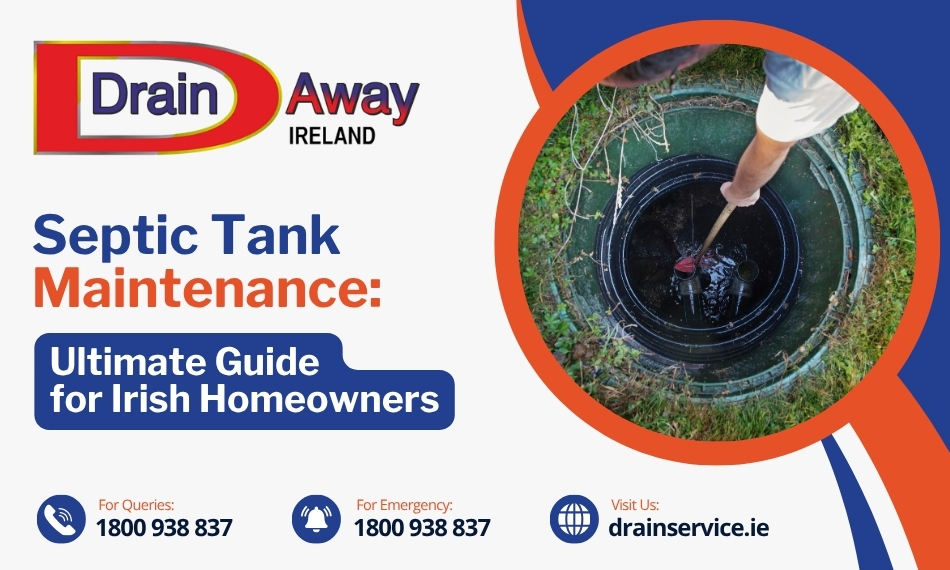
Septic tank maintenance in Ireland involves regularly caring for your wastewater treatment system to prevent failures, protect groundwater, and ensure compliance with EPA regulations.
If you own a home not connected to the mains drainage system, understanding maintenance is essential.
What is Septic Tank Maintenance?
Septic tank maintenance refers to the ongoing care required to keep a septic tank system operating safely, efficiently, and legally. Many homeowners assume maintenance simply means calling a contractor to empty their tank, but the reality is broader and more important.
A septic system quietly handles everything that goes down household drains, toilets, sinks, showers, and appliances like your washing machine. All of this becomes wastewater that must be safely processed and dispersed without harming your property or the environment.
Why Septic Tank Maintenance Is Critical in Ireland
Ireland has unique environmental, legal, and housing factors that make septic tank care especially important.
Groundwater Protection Concerns
Many Irish homes rely on private wells. Poorly maintained systems can release untreated wastewater, contaminating groundwater. This poses health risks and environmental damage, making maintenance not just practical, but a responsibility to your household and community.
High Dependence on Septic Systems
Large parts of rural Ireland are not connected to mains sewer networks. This means thousands of homeowners depend entirely on their wastewater treatment system. Neglecting maintenance significantly increases the likelihood of system overload, failure, and expensive remediation work.
EPA Regulatory Framework
Ireland enforces Domestic Wastewater Treatment Systems regulations. The EPA conducts septic tank inspections to ensure systems do not pollute the environment. Lack of maintenance is one of the most common reasons homeowners fail inspections.
Cost Prevention
Minor maintenance costs are small compared to repairing a failed drain field or replacing a damaged tank. Preventative care helps avoid structural damage, drainage issues, emergency callouts, and long-term soil rehabilitation expenses.
Property Value & Sales
During property transactions, septic systems are scrutinised. Evidence of neglect, odours, or system malfunction can delay sales, reduce property value, or require corrective work before closing.
Irish Regulations & Legal Responsibilities
Septic tank maintenance in Ireland is closely linked to environmental protection laws.
Homeowner Responsibility for Pollution Prevention
Irish law places responsibility on property owners to ensure their septic tank system does not cause environmental pollution. Even if issues develop gradually, homeowners remain legally accountable for damage caused by system failure.
Domestic Wastewater Treatment Systems Regulations
These regulations govern installation, operation, and maintenance. They require systems to safely collect, treat wastewater, and discharge effluent without contaminating soil, groundwater, or nearby watercourses.
Mandatory Compliance Expectations
Homeowners must maintain systems in good working order. A neglected tank, blocked outlet, or damaged drain field may be deemed non-compliant, particularly if evidence of discharge or seepage is present.
Maintenance Record Importance
Keeping records of tank emptying, servicing, and septic tank inspection can be critical. Documentation helps demonstrate responsible ownership, particularly during EPA inspections or property sales.
Financial Liability for Remediation
If a septic system pollutes groundwater or neighbouring land, corrective work repairs, upgrades, or replacement becomes the homeowner’s responsibility. Costs can be significant without preventative maintenance.
EPA Septic Tank Inspections
Purpose of Inspections
EPA inspections assess whether domestic wastewater systems pose environmental risks, focusing on wastewater discharge, structural integrity, and signs of pollution.
What Inspectors Examine
Inspectors review tank condition, pipework, drain field performance, and visual indicators like odours, ponding water, or effluent breakout.
Common Failure Indicators
Sludge overflow, blocked soakaway areas, damaged covers, and untreated wastewater discharge frequently trigger compliance failures.
Maintenance & Inspection Outcomes
Systems showing clear maintenance neglect face a higher risk of failing inspections.
Follow-Up Actions
Failed inspections may require repairs, upgrades, or further professional assessment.
Legal Obligations of Homeowners
Maintain Operational Integrity
Homeowners must ensure the wastewater treatment system functions correctly. Ignoring slow drainage, odours, or backups can escalate into regulatory breaches and environmental hazards.
Prevent Environmental Contamination
A septic tank must safely treat wastewater. Discharge into ditches, streams, or surface water is prohibited and considered pollution under Irish law.
Arrange Regular Tank Emptying
Accumulated solids reduce treatment efficiency. Desludging prevents sludge carryover into the drain field, protecting the entire septic tank system.
Protect System Components
Avoid structural damage. Heavy vehicles, construction, or inappropriate planting of trees near tanks and pipework can compromise performance and trigger failures.
Respond to Identified Issues
If an inspection or service identifies defects, corrective actions should not be delayed.
Consequences of Poor Maintenance
System Blockages & Backups
Neglected tanks accumulate sludge, restricting flow. Wastewater may back up into toilets, sinks, or showers, creating hygiene risks and property damage.
Drain Field Failure
When solids escape into the drain field, soil absorption becomes blocked. This leads to surface pooling, foul smells, and expensive restoration work.
Persistent Odours
Strong sewage smells indoors or outdoors often indicate poor biological breakdown, ventilation problems, or overflow conditions linked to a lack of maintenance.
Regulatory Non-Compliance
Poor maintenance increases the risk of failing an EPA septic tank inspection, potentially requiring costly repairs or system upgrades.
Increased Long-Term Costs
Delayed maintenance transforms minor service needs into major infrastructure failures.
How Often Should a Septic Tank Be Emptied in Ireland?
| Household Size | Typical Emptying Frequency | Influencing Factors |
|---|---|---|
| 1–2 persons | Every 3–5 years | Usage volume, tank size |
| 3–4 persons | Every 2–4 years | Wastewater load |
| 5+ persons | Every 1–3 years | Higher sludge accumulation |
| Holiday homes | Variable | Intermittent usage |
| High appliance usage | More frequent | Washing machine & dishwasher loads |
Frequency varies. A professional septic tank inspection provides the most accurate guidance.
Warning Signs Your Septic Tank Needs Attention
Sign 1: Slow Drains Throughout the House
Multiple slow fixtures may indicate system saturation or blockage rather than isolated plumbing issues.
Sign 2: Unpleasant Outdoor Odours
Persistent sewage smells near the tank or percolation area signal treatment or ventilation problems.
Step 3: Pooling Water or Wet Soil
Standing water above the drain field suggests effluent is not dispersing properly.
Step 4: Gurgling Sounds in Pipes
Airflow disruption caused by restricted wastewater movement.
Step 5: Sewage Backup
An urgent indicator requiring immediate professional assessment.
Common Septic Tank Maintenance Mistakes
Even well-meaning homeowners unknowingly damage their septic tank system. Problems rarely begin with dramatic failure; they develop gradually through everyday habits.
1. Waiting Too Long to Empty Your Tank
Sludge accumulation is inevitable. When homeowners delay desludging:
- Solids overflow into the drain field
- Treatment efficiency drops
- Blockages become more likely
- System lifespan shortens
Regular emptying protects the biological balance that helps treat wastewater safely.
2. Flushing Inappropriate Waste
A septic system is not designed for modern convenience waste. Items to avoid flushing:
- Wet wipes (even “flushable” types)
- Sanitary products
- Grease, fats, oils
- Harsh chemicals
- Excessive detergents
These materials disrupt bacterial activity and accelerate sludge build-up.
3. Overloading the System with Waste Water
Excessive discharge from:
- Long showers
- Continuous laundry cycles
- Heavy washing machine use
- Leaking toilets
can hydraulically overload the tank, preventing solids from settling properly.
4. Ignoring Early Warning Signs
Many homeowners dismiss:
- Slow drains
- Mild odours
- Occasional gurgling sounds
Early symptoms often indicate developing issues that are inexpensive to correct if addressed promptly.
5. Damaging the Drain Field Area
The percolation area is critical but vulnerable. Common mistakes include:
- Parking vehicles above it
- Building extensions
- Installing patios
- Improper planting of trees
Root intrusion and soil compaction can permanently damage absorption capacity.
Costs of Neglect vs Preventative Maintenance
Septic tank care is fundamentally a financial decision as well as a practical one.
| Scenario | Typical Cost Range | Long-Term Impact |
|---|---|---|
| Routine tank emptying | Low/manageable | Prevents sludge overflow |
| Preventative septic tank inspection | Low/moderate | Identifies risks early |
| Minor repairs | Moderate | Extends system life |
| Drain field restoration | High | Often avoidable |
| Full system replacement | Very high | Severe disruption |
- Preventative maintenance costs are predictable.
- Neglect costs are unpredictable and often significant.
A small investment in desludging and tank cleaning prevents large-scale excavation or replacement.
When Should You Call a Professional?
Septic systems are underground, technical, and regulated. Attempting DIY intervention often worsens the problem. You should seek professional assessment when:
- Persistent Drainage Problems
- Strong or Recurring Odours
- Pooling Water Above the Drain Field
- After Long Periods Without Maintenance
If you are unsure about your septic system’s condition, maintenance schedule, or inspection readiness, contact Drain Away. We advise homeowners not to guess. A professional septic tank inspection and maintenance carried out by experts helps protect your investment and provides peace of mind.
Environmental Impact of Poor Maintenance
Septic tank failures are not just household problems; they are environmental hazards, particularly in Ireland’s groundwater-sensitive landscape.
Groundwater Contamination
Untreated wastewater can seep into aquifers supplying private wells, posing risks to drinking water quality and public health.
Surface Water Pollution
System overflow may discharge into streams, ditches, or rivers, disrupting ecosystems and violating environmental protection regulations.
Soil Structure Damage
Effluent saturation damages soil permeability, reducing the effectiveness of the wastewater treatment system.
Public Health Risks
Exposure to untreated wastewater increases bacterial and pathogen transmission risks.
Long-Term Ecological Harm
Nutrient and bacterial pollution impacts biodiversity, water clarity, and land usability.
Key Takeaways
- Septic tank maintenance protects your home and environment
- Irish regulations make neglect risky
- Regular desludging prevents major failures
- Warning signs should never be ignored
- Preventative care reduces long-term costs
- Professional septic tank inspection adds safety and compliance confidence
FAQs
Q. Can a septic tank fail without obvious warning signs?
Many systems deteriorate silently. Gradual sludge accumulation and drain field saturation may occur long before visible symptoms appear.
Q. Does heavy washing machine use affect septic systems?
Frequent discharge increases hydraulic load, potentially disturbing settlement processes and reducing treatment efficiency if system capacity is limited.
Q. Is tank cleaning different from tank emptying?
Emptying removes sludge. Tank cleaning may involve deeper removal of residues, inspections, and checks of internal components.
Q. Can planting trees damage septic systems?
Roots may infiltrate pipes or tanks, causing cracks, blockages, and drain field disruption.
Q. Why do septic systems produce bad smells?
Odours often indicate a ventilation imbalance, biological disruption, sludge overload, or wastewater escape.