
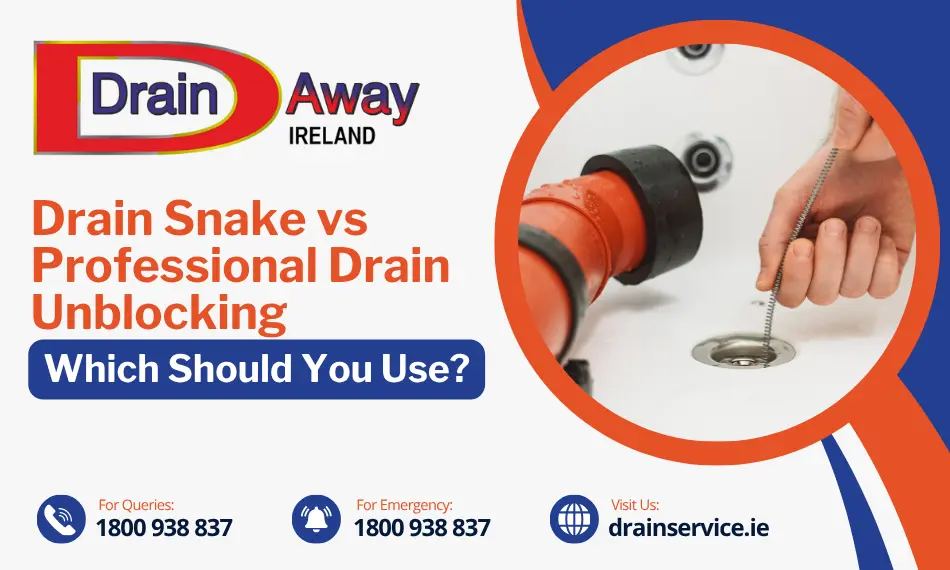
A drain snake can help remove some local blockages, especially when hair or debris is close to a sink, bath or shower waste. However, it is not the right solution for every blocked drain. If the blockage is deep in the pipe, keeps returning or affects several fixtures, forcing a tool into the pipe may waste time or cause damage.
For homeowners in Ireland, the key is knowing when a simple tool may be enough and when to arrange professional drain unblocking.
What is a drain snake?
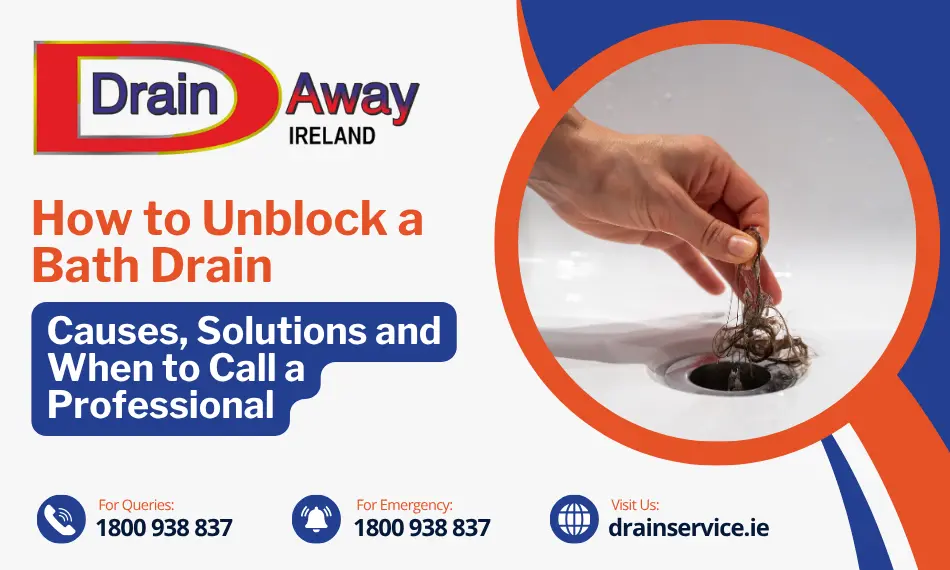
A drain snake is a flexible cable designed to reach into a waste pipe and loosen or retrieve a blockage. Smaller hand-operated versions are generally intended for accessible household fixtures. They can sometimes help with hair, soap residue or a minor obstruction near the drain opening.
A snake does not automatically clean the full inside of a pipe. It may create an opening through the blockage while grease, sludge or other build-up remains on the pipe walls. If the drain clears briefly and blocks again, the underlying cause may still be present.
When might a drain snake help?
A suitable hand-held snake may be worth considering when one sink, bath or shower is draining slowly and the blockage appears to be close to the waste opening. First remove any visible debris you can reach safely and follow the tool manufacturer’s instructions.
- Use the right tool for the fixture. A small hand snake is not the same as powered equipment used for larger drainage lines.
- Work gently. Do not force the cable past resistance or use excessive pressure.
- Stop if it will not pass. Resistance may indicate a bend, a trap or an obstruction that needs another approach.
- Avoid chemical residue. Never combine drain-cleaning chemicals. If a chemical product has already been used, tell the drainage professional before work begins.
Drain snake vs drain rods: what is the difference?
A drain snake is usually a flexible cable for reaching local obstructions through a sink or similar waste opening. Drain rods are rigid, connectable sections used in suitable larger or straighter drains. Neither tool should be forced into an unknown pipe route.
If an outside drain is overflowing, several fixtures are affected, or the blockage may be in a shared or public sewer, do not assume that a household snake or drain rods are suitable. Identify the location and seek the relevant advice.
When should you stop DIY and call a professional?
Arrange professional help if the blockage does not clear with a careful first attempt, returns soon afterwards, or affects more than one fixture. Other warning signs include foul smells, gurgling, water backing up, an overflowing outside drain or a blockage that appears to be beyond the accessible waste pipe.
Repeated blockages can be caused by grease build-up, foreign objects, damaged pipework, tree roots or a deeper obstruction. A professional can choose an appropriate method, such as mechanical clearing or high-pressure water jetting, based on the problem rather than repeatedly treating the symptom.
If the issue keeps returning, professional drain maintenance may also help identify recurring problems.
Also Read: Drain Cleaning vs Drain Unblocking: What’s the Difference?
Can a drain snake damage pipes?
Yes, misuse can damage vulnerable pipework, fittings or seals. Forcing a cable, using a tool that is too large, or working blindly through tight bends increases the risk. Stop if the cable catches, will not move freely or seems to be snagged. Do not dismantle pipework unless you can do so safely and know how to refit and check the joints.
Can a drain snake clear an outside drain?
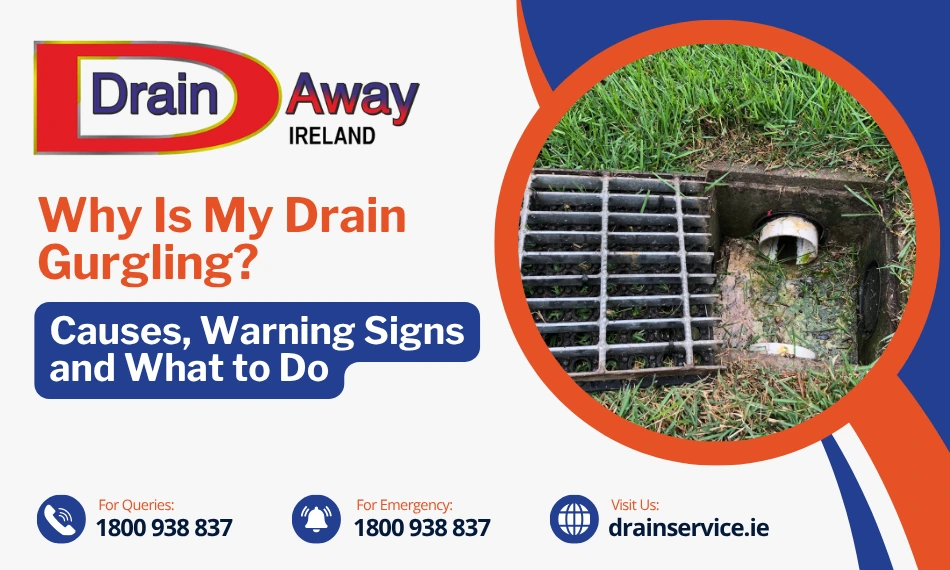
It depends on the drain layout and the location of the blockage. An outside drain may contain compacted debris, grease, silt, roots or a problem farther along the line. If water is overflowing or multiple drains are affected, avoid repeated DIY attempts and arrange a suitable assessment. For a practical overview of exterior blockages, see guide to how to unblock a drain outside.
How can you reduce the risk of another blockage?
Keep cooking fat, oil and food scraps out of kitchen sinks, use a strainer to catch debris, and remove visible hair from bathroom drain covers. Avoid flushing wipes or other unsuitable items. If a drain repeatedly slows down despite these habits, do not rely on a snake to solve the problem each time; the pipe may need a more thorough clean or inspection.
Need help with a blocked drain?
If a drain snake has not cleared the blockage, or the problem keeps returning, contact Drain Away for advice on the next step. Our team provides drain unblocking services and can help assess persistent drainage problems across our service areas in Ireland.
Frequently Asked Questions
Can a drain snake clear every blockage?
No, it may help with some local obstructions, but deep, compacted or recurring blockages may need professional equipment or further investigation.
Are drain snakes and drain rods the same?
No, a drain snake is a flexible cable often used for local household waste pipes. Drain rods are rigid sections used in suitable larger or straighter drains.
When should I stop using a drain snake?
Stop if the cable meets strong resistance, becomes stuck, does not clear the blockage or the problem returns. Do not force the tool.
Should I call a plumber or a drain specialist?
For a persistent, external or multi-fixture blockage, a drainage specialist can assess the drain route and choose a suitable clearing method. The right contact also depends on where the blockage is located.