
A septic tank is an underground system that manages wastewater in homes without a main sewer connection. It collects, separates, and treats waste naturally. If you are facing slow drains or bad smells, understanding how septic systems work will help you make better decisions before calling a professional.
What Is a Septic Tank?
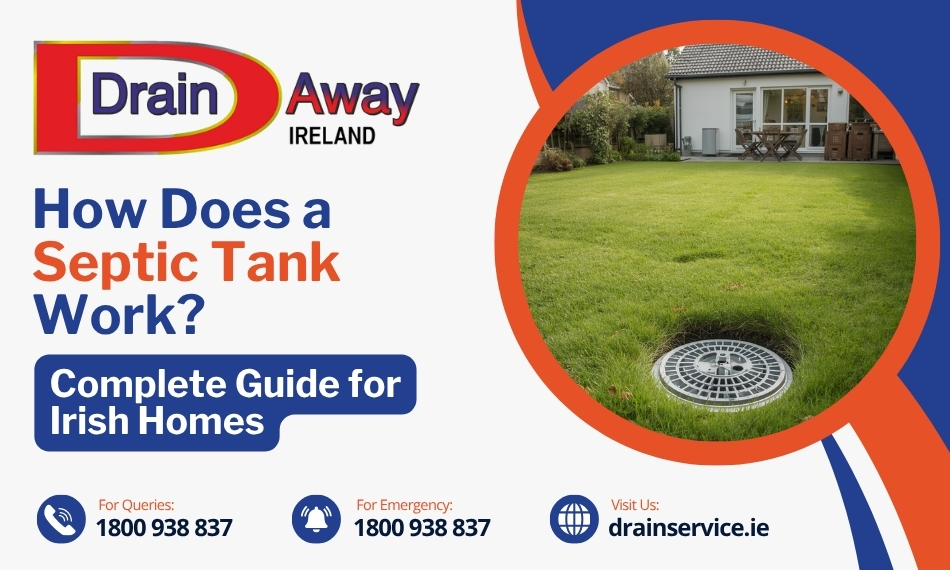
A septic tank is an underground chamber used for basic sewage treatment in homes not connected to public sewer lines. It collects wastewater from toilets, sinks, and showers through a drainage pipe. Inside, solid waste settles while lighter materials float, allowing partially treated water to flow out.
These septic systems rely on natural bacteria to break down organic matter, making them efficient for rural Ireland. Unlike advanced treatment plants, they work without complex machinery. However, proper installation and maintenance are critical. Without care, systems fail, leading to odours, blockages, and environmental issues.
How Does a Septic Tank Work?
Step 1: Wastewater Enters the Tank
All wastewater from your home flows through a main drainage pipe into the septic tank. This includes water from toilets, sinks, and appliances. The system is designed so that everything enters one chamber, allowing the septic system’s work process to begin immediately without manual intervention.
Step 2: Separation of Solids, Liquids, and Scum
Inside the tank, waste naturally separates into three layers. Heavy solids settle at the bottom, forming sludge. Oils and grease float on top as scum. The middle layer contains liquid wastewater. This separation is essential for proper sewage treatment and smooth system operation.
Step 3: Bacteria Break Down Waste
Naturally occurring bacteria inside the tank break down organic matter in the sludge. This process reduces waste volume and prevents rapid buildup. These biological reactions are the core reason why septic systems work effectively without requiring advanced treatment systems or mechanical equipment.
Step 4: Effluent Flows to Drain Field
The partially treated liquid, called effluent, exits the tank through an outlet pipe. It moves into a drain field through perforated pipes. These pipes distribute wastewater evenly into the soil, ensuring proper absorption and preventing overflow or surface pooling.
Step 5: Soil Naturally Filters the Water
Once released, the soil acts as a natural filter. It removes harmful bacteria and contaminants before water re-enters the environment. This final stage completes the sewage treatment cycle, making the system safe when installed and maintained correctly in Irish conditions.
Main Parts of a Septic System
Septic Tank (Core Chamber)
The septic tank is the main storage unit where wastewater collects and separates. It allows solids to settle and bacteria to break down organic matter. This chamber controls the initial stage of the septic system’s work and ensures only treated liquid moves forward.
Inlet and Outlet Pipes
The inlet pipe carries wastewater into the tank, while the outlet pipe directs treated effluent outward. These pipes regulate flow and prevent blockages. Proper alignment ensures the system runs smoothly without overflow or backflow issues in daily use.
Baffles (Flow Control Barriers)
Baffles are internal components that control how wastewater enters and exits the tank. They prevent solids from escaping into the drain field. This protects perforated pipes from clogging and keeps the overall system functioning efficiently.
Drain Field (Percolation Area)
The drain field is a network of perforated pipes laid in soil. It distributes effluent evenly, allowing natural filtration. This area plays a critical role in final sewage treatment, ensuring wastewater is safely absorbed into the ground.
Soil and Ground Filtration Layer
The surrounding soil acts as a biological filter. It removes harmful bacteria and nutrients from wastewater. This natural filtration process replaces the need for complex treatment plants, making septic systems a practical solution in rural Ireland.
Types of Septic Systems Used in Ireland
Conventional Septic Systems
These are the most common systems in Ireland. Wastewater flows into a tank and then into a drain field. They rely on natural soil filtration and are suitable for areas with good ground conditions and proper drainage capacity.
Raised Bed Systems
Used in areas with poor soil conditions, raised systems sit above ground level. They use imported soil and structured layers to improve filtration. These treatment systems are designed for situations where natural drainage is not sufficient.
Secondary Treatment Systems
These systems provide extra treatment before releasing effluent. They include additional chambers or filters to improve water quality. Often required in sensitive areas, they offer better performance than basic septic setups.
Packaged Treatment Plants
These advanced treatment plants use mechanical and biological processes to treat wastewater. They provide higher efficiency and are suitable for homes with stricter environmental regulations or limited space for drain fields.
Bio-Cycle or Aerated Systems
These systems introduce oxygen to improve bacterial activity. This enhances the breakdown of organic matter and increases treatment quality. They are commonly used where higher performance is required compared to traditional septic systems.
Common Problems If the Septic Tank is Not Maintained Properly
Bad Odours Around Property
Strong smells near drains or outside areas indicate improper breakdown of waste. This often means the tank is full or ventilation is poor. It is usually an early warning sign that the system is not functioning correctly.
Slow Draining Fixtures
If sinks, toilets, or showers drain slowly, it may indicate a blockage or full tank. This affects daily usage and signals that the septic tank requires immediate attention to prevent system failure.
Sewage Backup Indoors
Wastewater returning into the home is a serious issue. It happens when the tank is overloaded or pipes are blocked. This requires urgent professional intervention to avoid health risks and property damage.
Wet or Soggy Ground Near Tank
Pooling water around the drain field indicates poor absorption. This can be caused by clogged perforated pipes or soil saturation. It shows that the system is no longer processing wastewater effectively.
How Often Should a Septic Tank Be Emptied?
Based on Household Size
Larger households generate more wastewater, increasing sludge buildup. Tanks in such homes require more frequent emptying to maintain proper sewage treatment and avoid overflow issues.
Tank Capacity Matters
Smaller tanks fill up faster and need more regular servicing. Understanding tank size helps determine the correct emptying schedule and prevents system overload.
Usage of Water Appliances
Frequent use of washing machines, dishwashers, and showers increases water flow. This affects how quickly solids accumulate, requiring more frequent maintenance checks.
Type of Waste Entering System
Non-biodegradable materials reduce system efficiency. Excess grease and chemicals slow bacterial activity, increasing sludge levels and the need for earlier emptying.
General Recommendation in Ireland
Most systems require emptying every 1–3 years, depending on usage. Regular servicing ensures the system continues to function properly without causing environmental or household issues.
Septic Tank Maintenance Tips
Regular Inspection Matters
Routine inspection helps identify early issues before they turn into major failures. Checking sludge levels, pipe flow, and overall systems work ensures your septic tank continues operating efficiently. Early detection reduces repair costs and prevents sudden breakdowns in Irish household conditions.
Control What Goes Into the System
Avoid flushing wipes, grease, and chemicals. These materials do not break down easily and affect bacterial activity. Proper waste control supports the natural breakdown of organic matter and keeps septic systems functioning without unnecessary strain or blockages.
Manage Water Usage Carefully
Excess water entering through the drainage pipe can overload the system. Spread out laundry and avoid heavy usage in short periods. Balanced water flow helps maintain proper separation inside the tank and supports effective sewage treatment.
Protect the Drain Field Area
Do not park vehicles or build structures over the drain field. Pressure damages perforated pipes and reduces soil absorption. Keeping this area clear ensures wastewater is evenly distributed and treated naturally without system disruption.
Schedule Professional Servicing
Even well-maintained systems need periodic servicing. Regular emptying and inspection ensure sludge does not exceed safe levels. This keeps the entire septic system’s work cycle stable and avoids unexpected overflow or environmental issues.
When Should You Call a Septic Tank Professional?
Persistent Bad Smells
If strong odours remain even after cleaning drains, it indicates deeper issues inside the septic tank. This often means sludge buildup or poor ventilation requiring professional assessment.
Repeated Drain Blockages
Frequent slow drainage or backups suggest internal system failure. It may involve a blocked drainage pipe or an overloaded tank, which needs expert handling to restore proper flow.
Water Pooling Outside
Standing water near the drain field signals failure in soil absorption or damaged perforated pipes. This is a clear sign that the system is not completing its sewage treatment cycle.
Unusual Increase in Tank Levels
If the tank fills faster than expected, it may indicate poor breakdown of organic matter or system imbalance. Professional inspection helps identify the root cause accurately.
Before Property Purchase or Renovation
A full system check is essential before buying or upgrading a property. It ensures existing treatment systems are compliant and working efficiently under Irish regulations.
Need Help Now? Call Drain Away for Immediate Cleaning
If your septic tank is overflowing, producing strong odours, or causing drainage issues, immediate action is important. Delays can lead to system damage and higher repair costs.
Drain Away provides reliable septic tank cleaning, inspection, and maintenance services across Ireland, ensuring your system returns to proper working condition quickly and safely.
Key Takeaways
- A septic tank treats wastewater through natural separation and bacterial breakdown
- Proper flow through the drainage pipe and perforated pipes is essential
- Regular maintenance ensures efficient sewage treatment
- Ignoring early signs leads to costly repairs
- Professional servicing keeps septic systems working reliably in Irish conditions
FAQs
Q. Can heavy rain affect septic systems?
Yes, excessive rain can saturate soil, reducing absorption in drain fields and affecting how septic systems work, leading to overflow issues.
Q. Are cleaning additives necessary for septic tanks?
Most systems do not require additives, as natural bacteria already break down organic matter effectively under normal conditions.
Q. How long does septic tank installation take?
Installation time depends on site conditions, but most systems are completed within a few days, including setup of treatment systems.
Q. Can tree roots damage septic systems?
Yes, roots can enter pipes and damage perforated pipes, causing blockages and affecting wastewater flow and treatment efficiency.
Q. Is it safe to use bleach in homes with septic tanks?
Small amounts are generally safe, but excessive use can harm bacteria essential for sewage treatment and reduce system performance.